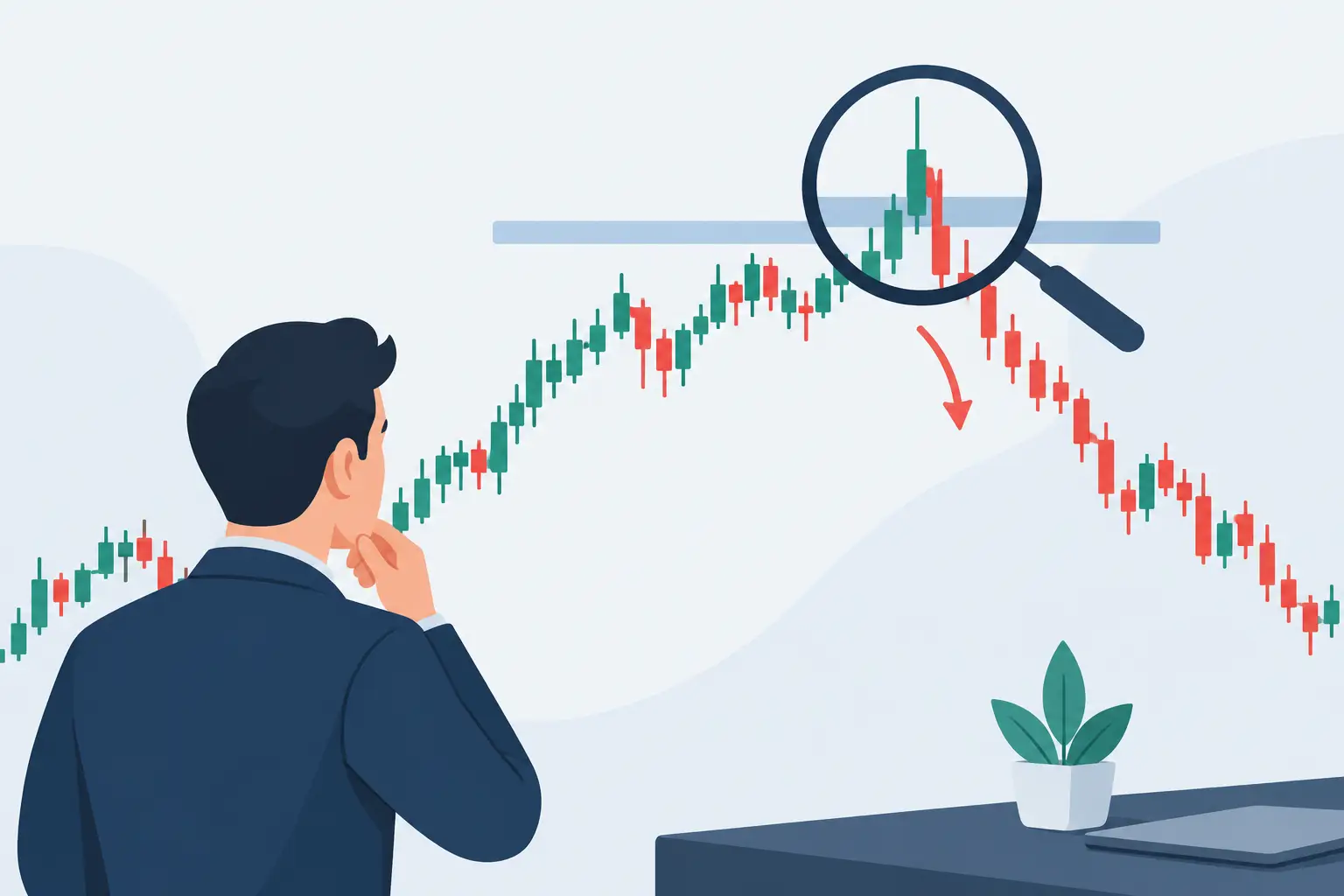
At 8:47 AM, a stock may be up 35%, trading five times its usual volume, and dominating every scanner. That does not automatically make it a trade. A useful premarket trading course teaches you how to turn that moving information into a defined plan before the opening bell - or how to stand aside when the plan is not there.
The goal is not to predict every gapper or find a trade every morning. It is to build a repeatable decision process: identify the catalyst, measure participation, map key prices, define risk, and execute only when the market confirms the setup. That process matters more than another watchlist or a room full of alerts.
What a Premarket Trading Course Should Cover
Premarket trading has a different structure from regular-hours trading. Liquidity can be thinner, spreads can widen, and a single order can move price more sharply than it would after 9:30 AM ET. The best opportunities often develop around legitimate news and unusually high relative volume, but those same conditions can create fast reversals.
A course should begin with market mechanics. Traders need to understand when premarket sessions run, how order types behave in lower liquidity, why stops may fill differently than expected, and why position sizing must reflect the risk of a wider spread. These are not minor details. A technically sound chart setup can still become a poor trade if execution assumptions are unrealistic.
From there, the curriculum should explain how to narrow a broad universe of stocks into a short, relevant watchlist. The important filters are usually straightforward: a meaningful catalyst, unusual volume, a price range that fits the trader's strategy, and enough liquidity to support a planned entry and exit. Complexity is not an advantage if it prevents consistent decisions.
A quality course also separates facts from interpretation. An earnings release, regulatory decision, merger announcement, guidance revision, or sector-wide development is a factual catalyst. Whether that catalyst can sustain a move through a premarket high is an assessment, not a certainty. Traders need that distinction to avoid treating a compelling story as proof of a profitable trade.
The Core Skills Behind Premarket Setups
Reading catalysts without chasing headlines
News creates attention, but not all attention creates tradable demand. A course should show how to evaluate whether a catalyst is new, material, and relevant to the stock's current valuation and float. For example, a small-cap company announcing a major contract may attract strong participation. The same stock issuing a vague promotional update may spike briefly and fade as buyers disappear.
The lesson is not to become an analyst of every press release. It is to ask practical questions: What changed? Is the news confirmed? Is the move supported by volume? Is the stock holding above or below an important level as participants react? The chart and tape still determine whether a defined setup exists.
Using volume as evidence
Premarket volume is one of the clearest signs that a stock deserves attention, but raw share volume alone is incomplete. Five million shares in a large-cap stock may be routine. Five million shares in a lower-float stock can be extraordinary. Relative volume, pace of trading, and the consistency of participation matter.
A strong course teaches traders to observe whether volume expands during a breakout attempt or dries up as price approaches resistance. It also explains the risk of interpreting early volume as permanent demand. A stock may trade heavily at 7:00 AM after news, then lose interest before the open. Volume is evidence to reassess throughout the session, not a green light to chase.
Mapping levels before price reaches them
Premarket traders need levels before they need opinions. Common reference points include the premarket high and low, previous day high and low, key whole-dollar prices, gap levels, VWAP, and areas where price previously consolidated.
The value of these levels is not that they predict an exact turning point. They give structure to decisions. If a trader plans a breakout entry above the premarket high, the invalidation may be a defined loss of that level or a nearby support area. If price fails before the trigger, there is no trade. This is how preparation reduces impulsive entries.
Defining risk before entry
Any course that spends more time on entries than risk management is incomplete. Premarket conditions can produce quick gains, but they can also punish oversized positions and loose plans. A trader should know the entry trigger, stop location, initial target, maximum dollar risk, and conditions for exiting early before sending an order.
Risk should be adjusted to the stock and the session. A tight stop may make sense in a liquid, orderly setup. It may be impractical in a volatile low-float name with wide spreads and rapid price swings. The correct answer depends on the structure of the trade, not on a fixed number of cents or a social-media rule.
A Practical Morning Process
A course should leave traders with a schedule they can actually follow. Working professionals do not need to watch charts for five hours before the bell. They need a compact process that focuses attention where it matters.
Start by scanning for stocks with fresh catalysts, meaningful premarket volume, and clean price movement. Then reduce the list. One or two names with clear levels are more useful than 20 symbols competing for attention.
Next, build a trade plan in plain language. For example: enter only if price reclaims and holds above a defined level with confirming volume; exit if it loses the specified support; take partial profits or reassess at the next resistance area. This is a hypothetical framework, not a promise that the setup will work.
Finally, define the no-trade condition. Perhaps volume is too thin, price is already extended far above the planned entry, the spread is too wide, or the market opens with erratic action. A no-trade decision is part of disciplined execution. It is not a missed opportunity.
What a Premarket Trading Course Should Not Promise
Avoid courses that frame premarket trading as a shortcut to daily income. The session carries real risks: sudden news reversals, low liquidity, false breakouts, halts, and slippage. Even a well-defined setup can stop out or time out without reaching a target.
Be cautious with education that relies only on winning screenshots. A credible process documents outcomes after the fact, including targets reached, stopped trades, and setups that did not develop. Transparency gives traders a more useful record than a highlight reel because it reveals how the method performs across different conditions.
Also question any approach that requires nonstop alerts to function. More alerts often create more decisions, and more decisions can lead to overtrading. A structured course should help you recognize a small number of conditions well, not make you feel obligated to react to every market move.
How to Evaluate the Course Before You Commit
Look for a clear methodology rather than vague promises of “high-probability” picks. The provider should explain what qualifies a stock, how entries and stops are chosen, what conditions invalidate a setup, and how results are documented. You should be able to describe the process without relying on the instructor's personality or constant commentary.
Consider whether the schedule fits your trading life. A trader who can prepare at 7:00 AM ET may benefit from a premarket-focused routine. Someone who cannot monitor price until midmorning may need a different strategy entirely. The right education supports realistic execution, not an idealized schedule.
Seven01 is built around this principle: one selected setup at 7:01 AM ET, with defined levels and documented outcomes. The purpose of that cadence is not to force a daily trade. It is to create a consistent point for preparation, risk assessment, and focused decision-making.
A worthwhile course should leave you less dependent on noise. When the next stock gaps before the bell, your first question should not be, “How high can this go?” It should be, “What is the setup, where is the risk, and does this meet my plan?”